A Planet Argon Developer in Amsterdam: My First Laracon Experience
Reading time: ~ 4 minutes
Laracon EU 2026 is the main European conference for the Laravel ecosystem, and this year it was hosted in Amsterdam. Laravel also hosts other official conferences around the world, like Laracon US, Laracon India, and Laracon AU. This European edition is a great place to gather the global community. The main goal is to showcase the latest framework features, discuss software architecture, and explore how AI is changing the way we code.
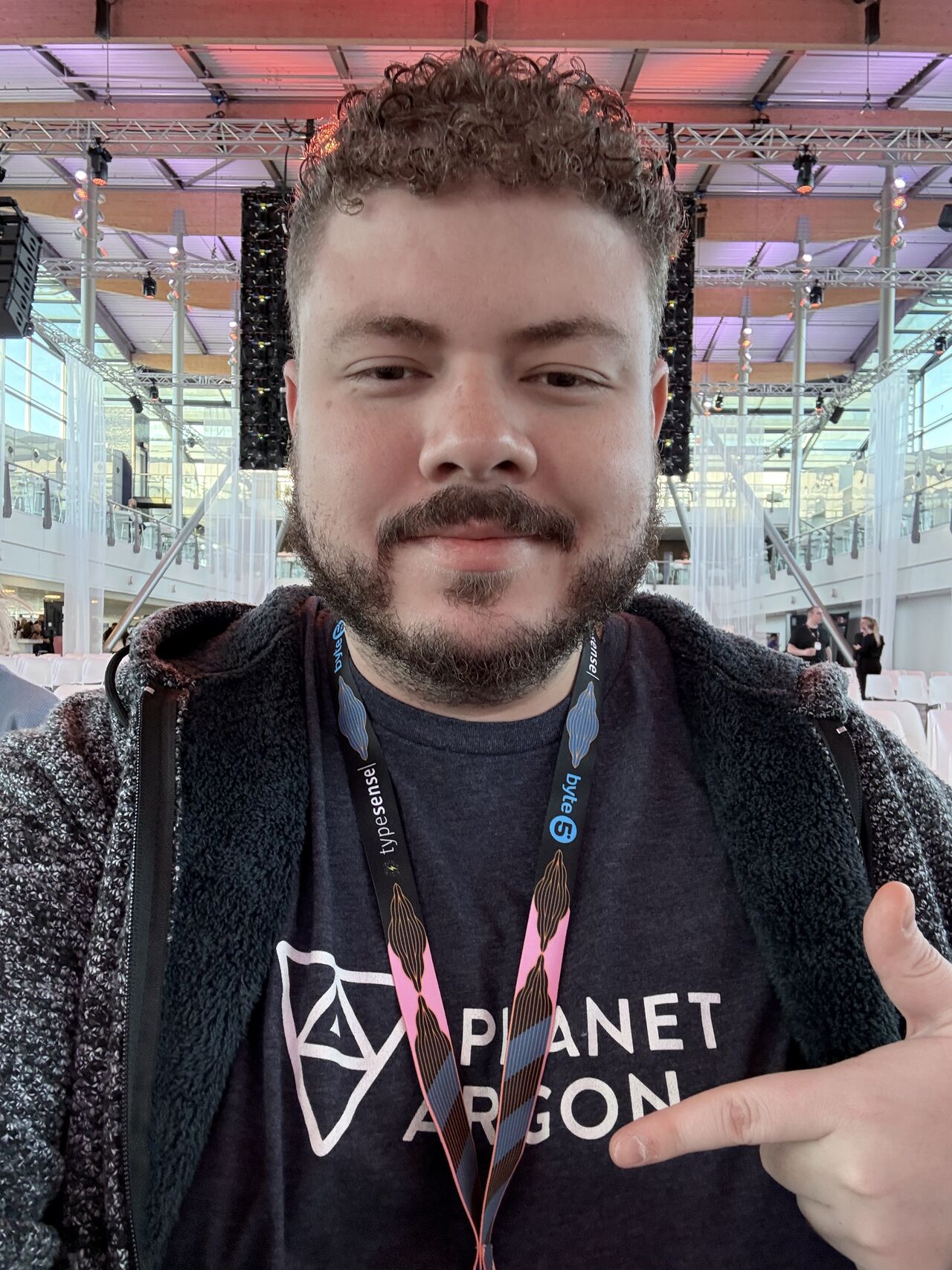
This was my very first Laracon, and I felt really energized and inspired by the technical talks and how engaged everyone was. Even though I’m a PHP/Laravel developer, attending this massive in-person event representing Planet Argon, an agency with roots in Ruby on Rails, was a unique experience. Seeing the huge size of the Laravel ecosystem, how welcoming the people are, and our shared focus on making developers happy inspired me to push our engineering standards even higher.
Code that says what it means
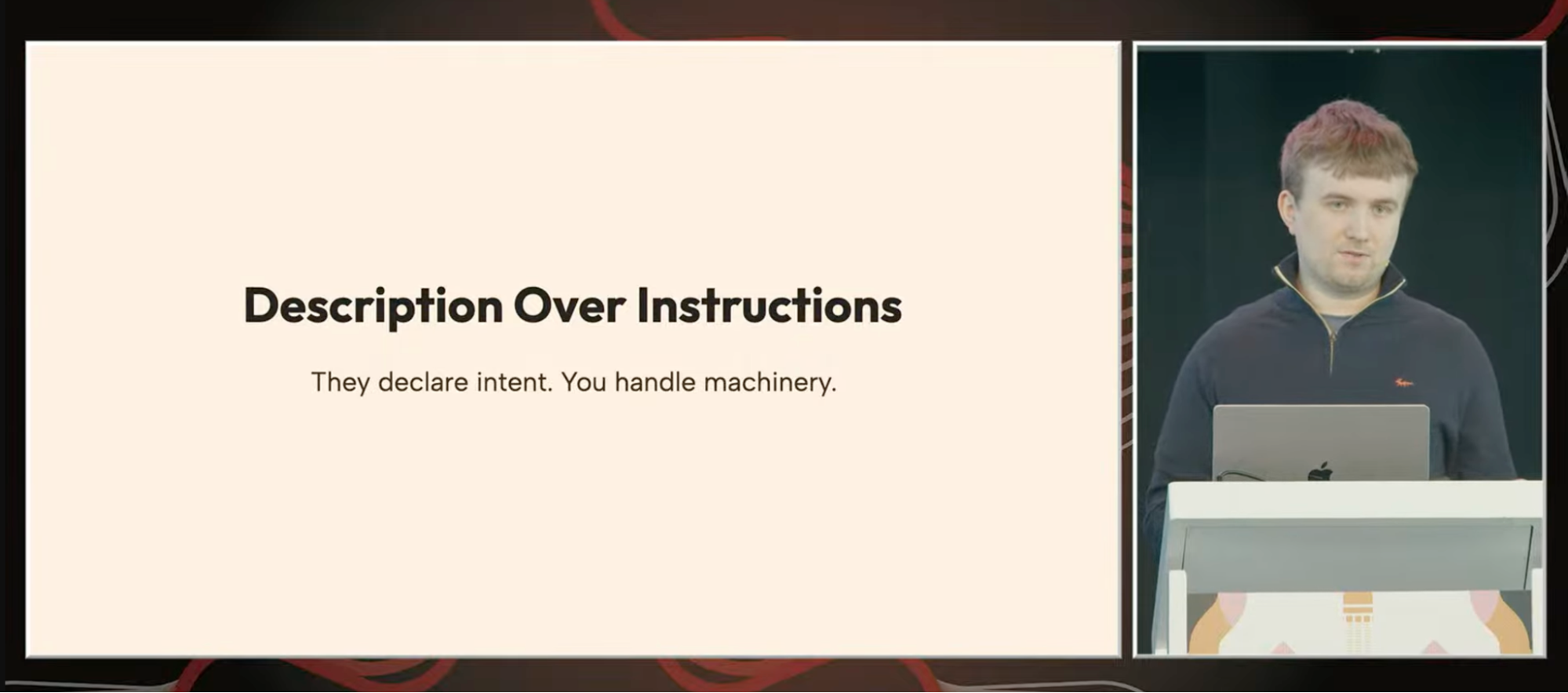
Dan Harrin, the co-creator of Filament, gave a great talk about building software abstractions. He said we should focus on "description over instructions" (telling the code what we want, not step-by-step how to do it). During the Q&A, a great point came up: this declarative style is actually perfect for AI. AI agents are much better at understanding and writing descriptive code because it is closer to natural human language.
At Planet Argon, we prioritize isolating domain logic from framework-specific implementation details whenever possible. By simplifying abstractions and keeping business logic separate, we help our clients achieve more maintainable applications that are suitable for scaling and easier for new developers to onboard.
Code reviews matter more, not less
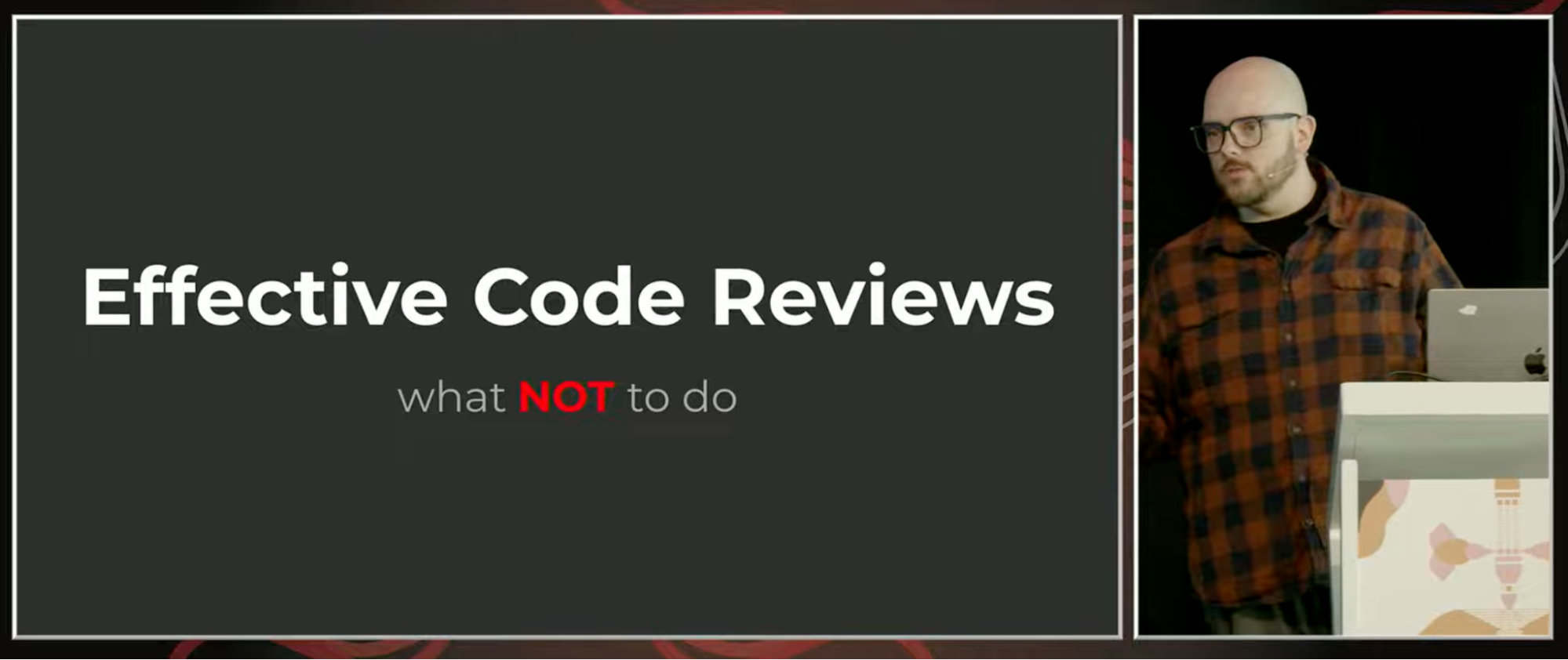
Luke Kuzmish is a backend-focused software developer, tech lead at Loop Returns, and a frequent open-source contributor. He delivered a highly practical and empathetic talk on the evolving art of code reviews.
With the cost of generating code dropping to zero thanks to LLMs, the value of a rigorous, empathetic human code review is actually more valuable than ever. Code reviews exist to catch edge cases, protect business logic, and ensure the code behaves correctly in production.
When we conduct code audits or take over a project at Planet Argon, the main issue is rarely just bad syntax. Luke's advice reinforced our internal practices: automate formatting checks (as we do with standard linters in Rails and Laravel) and rely on human reviews to protect the client's application and to mentor teammates.
One codebase, more possibilities
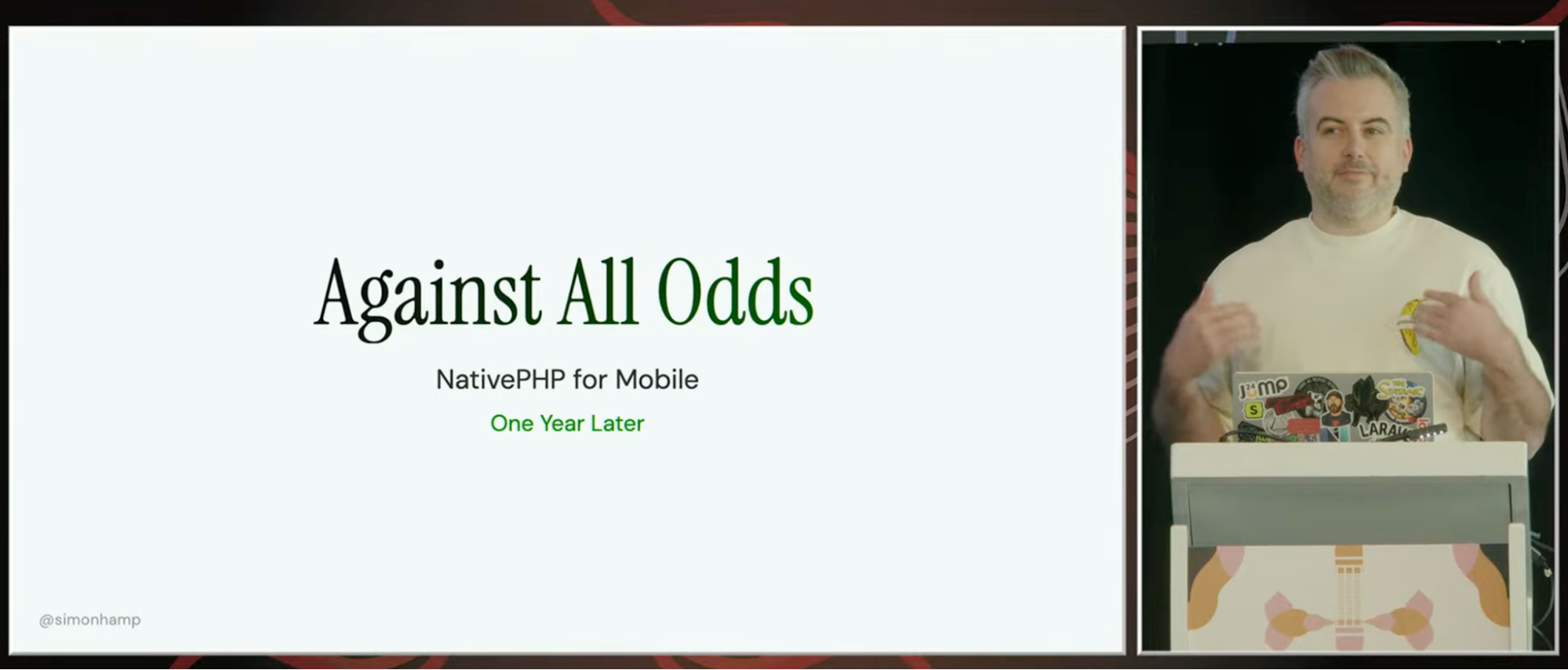
Simon Hamp and Shane Rosenthal talked about how PHP is no longer confined to the server. By leveraging shared memory and direct C-bindings, NativePHP allows developers to build fully native iOS and Android applications, complete with native UI components and device hardware access, using the same Laravel codebase and Tailwind classes.
While Planet Argon focuses heavily on web applications, clients often ask about mobile companion apps. Knowing that we can leverage our existing PHP/Laravel expertise to prototype and deliver highly performant mobile interfaces without maintaining a completely separate Swift/Kotlin team is a massive strategic advantage.
AI is changing the work, not replacing it
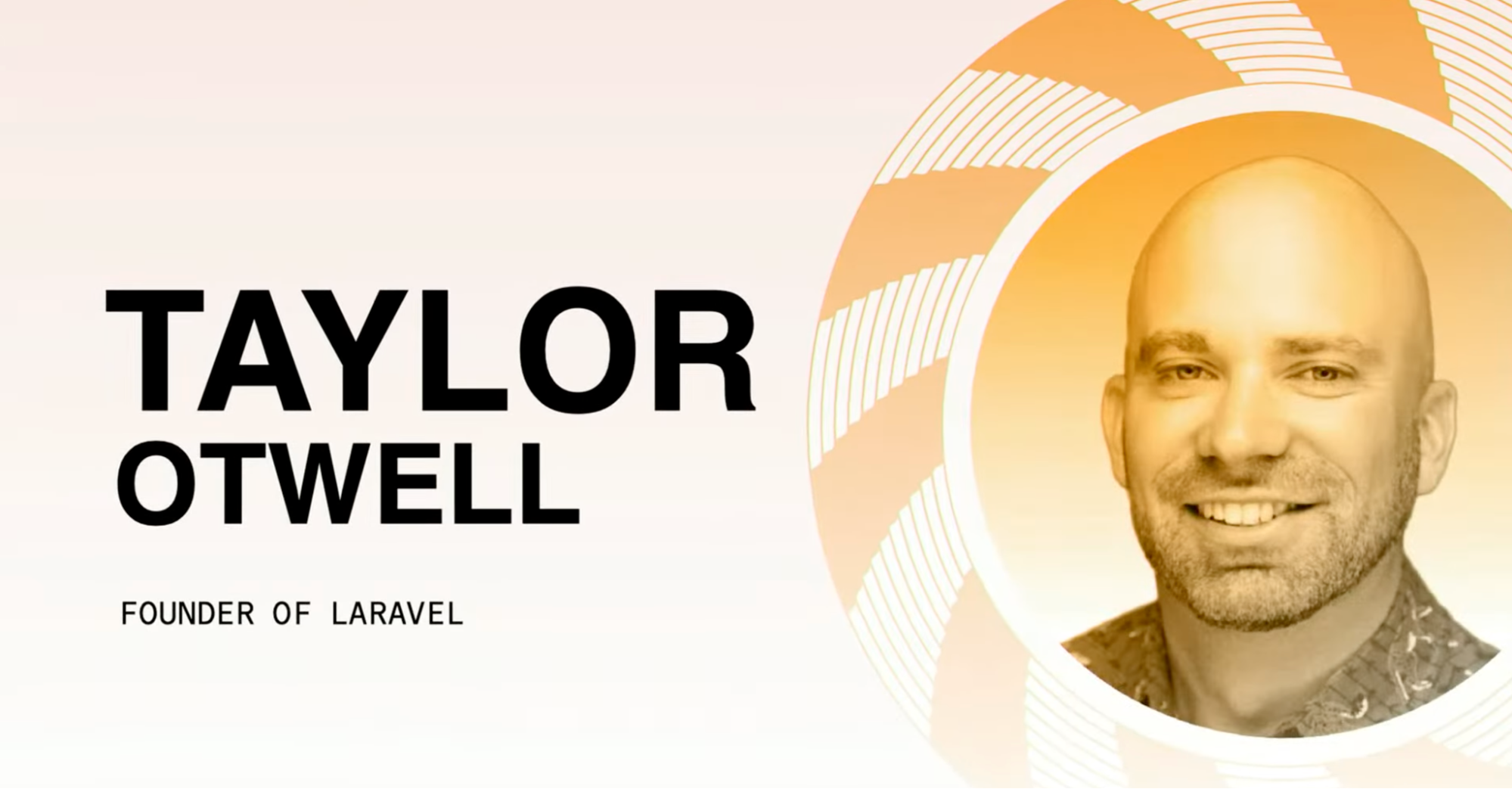
Taylor Otwell, founder of Laravel, pointed out that typing code is no longer the hardest part of our jobs. To show this, he presented the new Laravel AI SDK (a tool for easily adding AI features from different providers) and Laravel Boost (a tool that reads your code and generates rules and "skills" for AI agents to follow).
But the best part was his live demo of an app that fixes itself. A broken route caused an error in Nightwatch (Laravel's monitoring tool), which sent a webhook to a local AI agent. Using the new Nightwatch MCP, the AI found the bug, wrote the fix, ran the tests, created a pull request on GitHub, and started a Laravel Cloud preview environment. In the end, the AI actually called Taylor's phone and asked for his voice permission to merge the code and deploy it to production. It was mind-blowing!
Taylor’s keynote reinforced why opinionated frameworks are more relevant than ever. It’s no secret that Laravel drew heavy inspiration from Ruby on Rails in its early days, and both ecosystems continue to champion the same core concepts: convention over configuration and developer happiness. Tools like Laravel Boost prove a concept we see every day: AI is only as good as the architectural boundaries you enforce. Whether working in Laravel or Rails, the heavy lifting of our client work at Planet Argon isn't typing characters; it's defining the architecture. The fact that the ecosystem is building tools to automate the plumbing and even autonomously fix bugs means we can spend 100% of our time solving the client's actual business problems.
Making AI work in real projects
Marcel Pociot addressed a growing pain point in this new agentic era: running multiple AI coding agents simultaneously on the same codebase leads to catastrophic merge conflicts. While traditional Git Worktrees offer some isolation, they force you to work with empty environments, meaning you lose your vendor or node_modules directories and have to reinstall dependencies for every single task.
Marcel's brilliant insight was to bypass Git Worktrees and leverage OS-level "copy-on-write" file systems (like APFS on macOS or BTRFS on Linux). This allows you to clone a massive, fully-installed project in roughly 300 milliseconds, consuming zero extra disk space until an AI agent actually modifies a specific file. To bring this to life, he unveiled Polyscope, a tool that seamlessly orchestrates these isolated AI workspaces, allows you to visually preview front-end changes, and merges the agent's work back into your main branch frictionlessly.
What I’m bringing back
The discussions around clean abstractions and proper context engineering for AI tools provided a clear path forward for building maintainable software. I was especially impressed by how much the Laravel ecosystem focuses on removing boilerplate so developers can focus strictly on solving business problems.
This experience will encourage us to enhance our code review processes, focusing heavily on domain boundaries rather than syntax, and to lean into more declarative programming patterns in our upcoming projects to keep our codebases clean and agent-friendly.
Going to Laracon EU 2026 in Amsterdam was exactly what I needed to get new ideas. As a PHP/Laravel developer working at an agency with a strong Ruby on Rails background, it was amazing to see the size of the Laravel community and how welcoming everyone is in person.
The talks about building solid architecture, safely managing AI agents, and leaving the "Mind Palace" to solve real production problems gave me practical ideas I can use right away. I'm excited to share these lessons with my team to help us reduce technical debt for our clients. I really look forward to attending more Laravel events in the future.